Our Science
The science behind the ingredients
Plain-language background on insulin, insulin resistance, metabolic syndrome and sleep, followed by published human research on the ingredients. These studies investigate ingredients or particular combinations - not the exact finished BERBELLE formula.
Berberine research
Human trials and systematic reviews examining glucose, insulin-related markers, body-weight measures and cardiovascular risk markers.
Cinnamon research
Systematic reviews and broader evidence examining cinnamon supplementation and glycaemic or metabolic markers.
Combination research
Human research investigating berberine used in combination with cinnamon in a defined study population.
Insulin basics
Plain-language background before the research.
Glucose
Food is broken down into glucose, an important source of energy for the body's cells.
Insulin
Insulin is a hormone that helps move glucose from the bloodstream into cells, where it can be used or stored.
Insulin sensitivity
How readily cells respond to insulin. It is influenced by activity, sleep, body weight, age and genetics.
Insulin resistance
Education only - not a description of what BERBELLE does.
Insulin resistance describes a state where the body's cells respond less well to insulin, so the body needs more insulin to keep blood glucose within range.
It is linked with carrying extra weight (especially around the waist), low physical activity, poor sleep, age and family history. It often has no obvious symptoms and is usually identified through tests arranged by a GP. Over time it is associated with a higher risk of type 2 diabetes.
Research consistently points to a balanced diet, regular activity and maintaining a healthy weight. If you are concerned, speak to your GP.
Understanding metabolic syndrome
Metabolic syndrome is the medical name for a group of health risks that often occur together. Together they increase the risk of heart disease, stroke and type 2 diabetes.
A larger waist
94 cm (37 in) or more for men (90 cm for South Asian men), 80 cm (31.5 in) or more for women.
High blood pressure
Often has no symptoms, so it is usually found at a check-up.
Raised blood sugar
Usually found through a blood test arranged by a GP.
Blood fats
High triglycerides and low "good" HDL cholesterol, found through a blood test.
Stress, sleep & daily habits
Why rest and stress matter for everyday routines.
Short or broken sleep and ongoing stress can affect appetite, food choices, energy and the motivation to stay active - which makes other healthy habits harder to keep.
Simple steps that help many people: a regular bedtime and wake time, daylight and movement earlier in the day, less caffeine in the afternoon, and a few minutes for a walk or breathing exercises when the day gets busy.
If sleep problems or stress are affecting your daily life, speak to your GP.
Meet AMPK.
AMPK (AMP-activated protein kinase) is one of the body's cellular energy sensors. It helps cells respond when energy is running low. Laboratory research has investigated how berberine interacts with this pathway.
ILLUSTRATED SCIENCE CARD
A mechanism being investigated in laboratory research - not a proven effect of the finished BERBELLE product.
Berberine research
A 2023 systematic review and meta-analysis (Zhao et al.) pooled 20 randomised controlled trials with 1,761 people, examining glucose and insulin-related markers. Other studies have looked at cardiovascular, liver and body-composition outcomes. Results vary by study design, population, dose and duration.
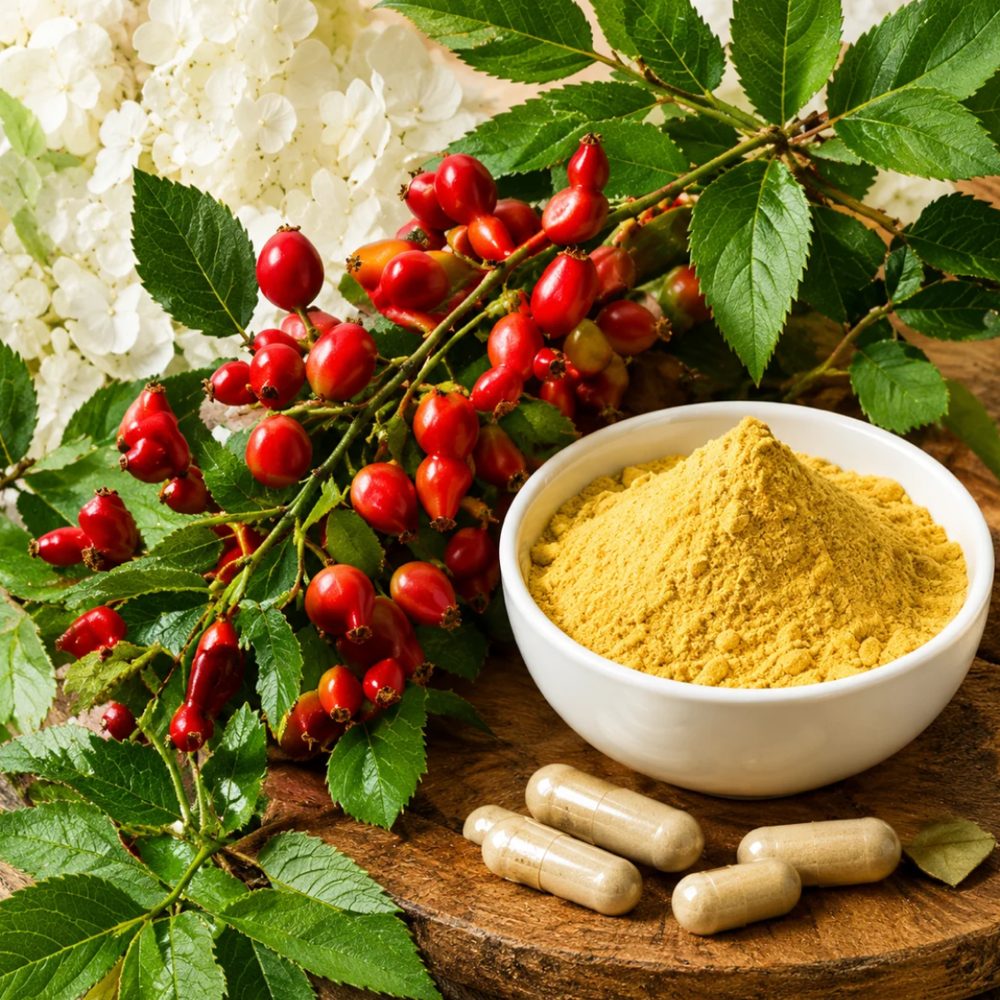
Glucose & insulin-related markers
Systematic review and meta-analysis of randomised controlled trials. Findings should be interpreted in the context of study quality and heterogeneity.
View on PubMed ↗Cardiovascular risk markers
A systematic review and meta-analysis examining several cardiovascular risk factors.
View on PubMed ↗Body-weight measures
Evidence includes meta-analysis and mixed or negative findings from newer randomised research.
View body-composition review ↗View mixed/negative trial ↗Liver-related research
Clinical evidence has also been reviewed in non-alcoholic fatty liver disease populations.
View on PubMed ↗Cinnamon & combination research
Research context for the named cinnamon ingredient and the botanical combination.
Cinnamon & glycaemic markers
Systematic reviews and meta-analyses have examined cinnamon supplementation. Results and certainty vary by population, species, dose, duration and outcome.
View cinnamon research ↗View cinnamon umbrella review ↗Berberine + cinnamon trial
A randomised clinical trial investigated berberine combined with cinnamon in people with type 2 diabetes. The trial did not test the exact finished BERBELLE formula.
View combination study ↗Selected human evidence & regulatory references
Published research used to provide context for BERBELLE's ingredients. Each link opens the original source in a new tab.
| Topic | Type | Source |
|---|---|---|
| Berberine: glucose and insulin-related markers | Systematic review and meta-analysis of randomised controlled trials | PubMed 37598753 ↗ |
| Berberine + cinnamon combination trial | Randomised clinical trial in type 2 diabetes | PubMed 39998703 ↗ |
| Berberine and body-weight measures | Systematic review and meta-analysis | PubMed 41310257 ↗ |
| Mixed/negative body-composition evidence | Randomised clinical trial in adults with obesity and MASLD | PubMed 41543854 ↗ |
| Cardiovascular risk markers | Systematic review and meta-analysis | PubMed 36313096 ↗ |
| Berberine and NAFLD research | Clinical efficacy and safety review | PubMed 38429794 ↗ |
| Berberine clinical study | Yan HM et al., 2015 human research | PubMed 26252777 ↗ |
| Cinnamon and glycaemic markers | Systematic review and meta-analysis | PubMed 37818728 ↗ |
| Cinnamon and metabolic research | Umbrella review | PubMed 41256917 ↗ |
Evidence last reviewed: August 2026.